
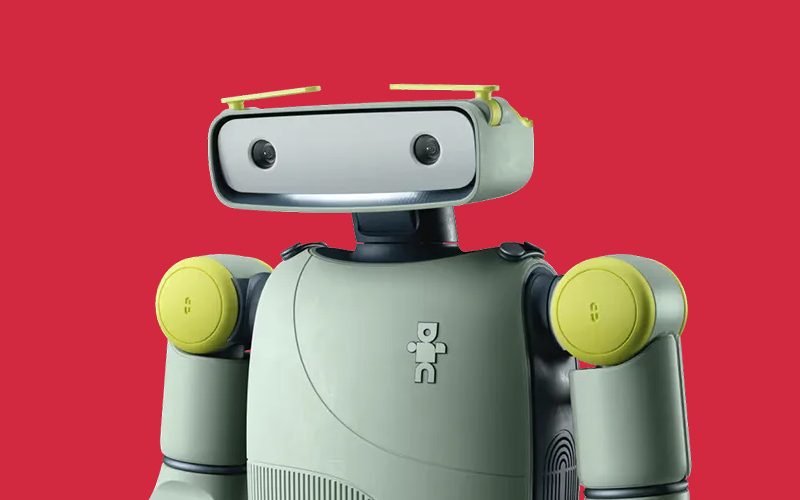
Imagine a robot that doesn’t look like a cold, metallic machine from a sci-fi thriller, but rather a quirky, helpful character from an animated film. That is precisely what Fauna Robotics has achieved with Sprout, its latest entry into the world of humanoid robotics.
Meet Sprout: The Robot with a Personality
Forget the chilly, metallic machines from old sci-fi movies. Imagine a robot that feels more like a charming character from your favorite animated film. That is exactly what Fauna Robotics has brought to life with the Sprout humanoid robot. It’s not just a piece of tech; it’s a friendly face in a world of wires.
A Friendly Face in Personal Tech
Sprout isn’t meant for a dark factory floor. This portable AI companion is small, approachable, and honestly, pretty cute. What really catches your eye are its expressive “antenna eyebrows” and glowing light patterns. While many robots feel stiff or intimidating, Sprout is built to feel like a buddy, bridging the gap between high-end engineering and everyday life.
Tech That Actually “Talks” to You
Under the hood, this humanoid robot is a powerhouse for social robotics research. It uses smart sensors to move around, but its real “magic” is in how it communicates. Instead of just beeping, Sprout uses LED animations and moving antennas to show emotion. This makes human-robot interaction feel less like operating a computer and more like talking to a friend.
Why Sprout is Different
Most robots fall into the “uncanny valley,” that creepy feeling you get when a machine looks too human but isn’t quite right. Fauna Robotics fixed this by making Sprout intentionally quirky. By using lights and movement to show what it’s thinking, Sprout makes people feel comfortable and safe.
The Prospects for Friendship
Sprout is a significant advancement where efficiency and sensitivity coexist. It is a high-tech instrument that also functions as a companion, giving the impression that technology will be much more human and brighter in the future. Sprout is demonstrating that the greatest technology has a heart, whether it is used in a home room or a research facility.
